Koran Angelfish
SaltWaterFishSaltWaterFish
3.0

Koran Angelfish

USD 52.99

Description

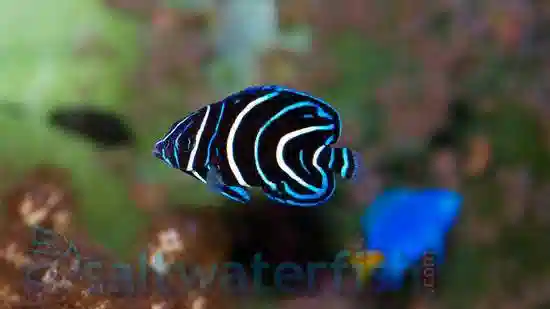
The Koran Angelfish, Pomacanthus semicirculatus, has a yellow/green body that fades from light to dark with the lighter areas speckled blue and the darker areas speckled yellow and light blue vertical lines along the eyes and face. Like many large Angelfish their appearance will change dramatically from the juvenile to adult stage. Due to aggression towards other Angelfish they are best kept singly but will do well with other larger fish.They are not reef safe, as they will nip at soft and stony polyp corals, sessile invertebrates and clam mantles. Diet should include a variety of spirulina, marine algae, high quality angelfish preparations, mysis and brine shrimp, 3 times daily.Juvenile coloration will display a bluish-black body with concentric white and light blue semi-circles. Keeping the Koran Angelfish (Pomacanthus semicirculatus) in Your Saltwater Aquarium The Koran Angelfish, scientifically known as Pomacanthus semicirculatus, is a striking marine species often coveted by seasoned saltwater aquarium enthusiasts. This comprehensive guide provides essential information for those considering the Koran Angelfish as a resident of their aquarium. We will delve into various aspects, including habitat, reef compatibility, size, lifespan, dietary needs in captivity, aquaculture availability, compatibility with other marine species, sexual dimorphism, coloration changes from juvenile to adult, temperament, precise tank requirements, and water conditions. We'll also explore common names for this species and practical reasons to consider purchasing the Koran Angelfish from Saltwaterfish.com. Habitat and Natural Range of the Koran Angelfish The Koran Angelfish is indigenous to the tropical waters of the Indo-Pacific region, where it inhabits coral-rich areas, lagoons, and reef slopes. This species seeks shelter among crevices and caves within coral formations in its natural habitat. To ensure the well-being of your Koran Angelfish in captivity, it's crucial to replicate these conditions within the aquarium. Reef Compatibility of the Koran Angelfish The Koran Angelfish is not considered reef-safe due to its propensity to nip at soft and stony corals. This behavior can potentially damage the coral ecosystem within your reef aquarium. Therefore, careful consideration should be given when introducing this angelfish to a reef environment, and close monitoring is advised. Size and Lifespan of the Koran Angelfish This angelfish species is classified as a large angelfish species and can attain a size of up to 15 inches (40 centimeters) in length. When properly cared for, these fish can have a lifespan of 10 to 15 years or more in captivity, making them a rewarding, long-term addition to your aquarium. Diet in Captivity for the Koran Angelfish Feeding the Koran Angelfish in captivity can be challenging, as they have a varied diet in the wild. To meet their nutritional needs, consider the following: High-Quality Marine Pellets: Integrate high-quality marine pellets into their daily feeding regimen to ensure they receive essential nutrients. Frozen Foods: Supplement their diet with frozen offerings such as brine shrimp, mysis shrimp, and enriched frozen preparations. Live or Fresh Marine Algae: Provide live or fresh marine algae to cater to their natural herbivorous tendencies. Seaweed sheets or clips are suitable options. Sponges and Tunicates: In their natural habitat, sponges and tunicates are a substantial part of their diet. In captivity, provide sponge-based foods to help meet this dietary requirement. Aquaculture and Availability of the Koran Angelfish The Koran Angelfish is not commonly available through aquaculture efforts, and most specimens in the aquarium trade are wild-caught. When sourcing these fish, choosing reputable suppliers like Saltwaterfish.com is essential to ensure the health and well-being of your new addition. Compatibility with Other Fish and Invertebrates Koran Angelfish can exhibit territorial and aggressive behavior towards other angelfish species. Therefore, housing them individually is generally advisable. Here are five compatible tankmates to consider: Tangs and Surgeonfish (Acanthuridae): Tangs, with their different body shapes and feeding habits, can often coexist peacefully with Koran Angelfish. Butterflyfish (Chaetodontidae): Many butterflyfish species can share a tank with the Koran Angelfish, provided there is sufficient swimming space. Wrasse (Labridae): Wrasse species come in various shapes and sizes, and careful selection can result in compatibility. Triggerfish (Balistidae): Some triggerfish species can share a tank with the Koran Angelfish, provided there is enough space and hiding spots. Damsel Fish (Pomacentridae): While some damselfish species can be compatible, their temperament may vary, so careful observation is necessary. Sexual Dimorphism in the Koran Angelfish The Koran Angelfish does not exhibit significant sexual dimorphism, making it challenging to distinguish between males and females visually. Juvenile to Adult Coloration Changes in the Koran Angelfish Juvenile Koran Angelfish possesses striking, vibrant coloration. They typically feature a bright blue body adorned with vivid yellow vertical stripes. As they mature into adults, their coloration undergoes a remarkable transformation. Adult Koran Angelfish display a distinctive appearance with a vivid blue-black body covered in concentric white and blue rings extending from their eye to their caudal fin. They also have a prominent yellow mask over their eyes. Tank Requirements for the Koran Angelfish To provide the best environment for your Koran Angelfish, adhere to these tank requirements: Minimum Aquarium Size: A tank with a capacity of at least 120 gallons (480 liters) is recommended for a single Koran Angelfish. Larger tanks are preferable to provide ample swimming space and territories. Decor and Hiding Places: Incorporate live rock structures, caves, and overhangs to mimic their natural habitat and provide hiding spots. Water Conditions: Maintain stable water conditions with the following parameters: pH: 8.1 to 8.4 Salinity: 1.020 to 1.025 Water Temperature: 74 to 82°F (23 to 28°C) Water Flow: Moderate to strong flow to mimic their natural reef habitat. List of Common Names for the Koran Angelfish Various common names, including the Semicircle Angelfish and the Koran Angel, are associated with the Koran Angelfish. Why People Should Buy the Koran Angelfish from Saltwaterfish.com Choosing Saltwaterfish.com as your source for the Koran Angelfish comes with several advantages: Quality Assurance: Saltwaterfish.com is committed to providing top-quality marine life. Each Koran Angelfish is carefully selected and cared for to ensure its well-being. Expert Guidance: Saltwaterfish.com offers valuable resources and expert advice to help create and maintain an ideal aquarium environment for your Koran Angelfish. Convenience: With an easy-to-navigate online platform, Saltwaterfish.com offers a secure and convenient way to purchase marine fish and essential aquarium supplies. Sustainability: Choosing Saltwaterfish.com supports responsible sourcing practices, contributing to marine conservation efforts and preserving marine ecosystems. In conclusion, the Koran Angelfish (Pomacanthus semicirculatus) is a captivating addition to any saltwater aquarium. While their care can be challenging, the rewards of having this majestic fish in your tank are substantial. Ensure their health and well-being by sourcing your Koran Angelfish from reputable suppliers like Saltwaterfish.com.

Get a promo code on Koran Angelfish

You could save on SaltWaterFish Koran Angelfish with a SaltWaterFish promo code:
    SaltWaterFish logo

    $25 off

    84 uses
    high

    worked 9 months ago

    $25 Off (Storewide) (Minimum Order: $249) at SaltWaterFish
View all SaltWaterFish coupons and promo codes

More SaltWaterFish Products

Japanese Dragon Moray Eel

Japanese Dragon Moray Eel

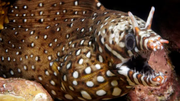
The Japanese Dragon Moray Eel (Enchelycore pardalis) is a rare, elusive eel with unparalleled colors. It can have an orange or maroon body with white spots and designs, and will quickly become the centerpiece of any aquarium. Plenty of rocks should be provided in a study formation, so it can hide among them safely, without the chance of a collapse. It is recommended to keep E. pardalis in a fish only system, as they will eat any crustaceans or smaller fish present in a reef system. A tight lid is recommended, as eels are escape artists, capable of finding nearly any possible escape route. The Japanese Moray should be fed a carnivorous diet of fish or crustaceans regularly.  Japanese Dragon Moray Eel (Enchelycore pardalis): A Captivating Marine Marvel The Japanese Dragon Moray Eel (Enchelycore pardalis) is a fascinating and unique addition to saltwater marine aquariums. Known for its distinctive appearance and captivating behavior, this eel requires specific care to thrive in captivity. This educational and formal product description will cover various aspects of keeping the Japanese Dragon Moray Eel, providing essential information for novice and experienced marine hobbyists. Habitat of the Japanese Dragon Moray: Origin of Elegance Originating from the Indo-Pacific region, the Japanese Dragon Moray Eel is often found in coral reefs, rocky crevices, and lagoon environments. In captivity, replicating its natural habitat is crucial for its well-being. Reef Safe Considerations for the Japanese Dragon Moray : Navigating Predatory Instincts The Japanese Dragon Moray Eel is not considered reef-safe. Given its predatory nature, it may threaten smaller fish and invertebrates commonly found in reef environments. Therefore, keeping this species in a fish-only or predator-specific tank is advisable. Size and Lifespan of the Japanese Dragon Moray: Majestic Dimensions This eel can grow to an impressive size, reaching up to 3 feet long. Hobbyists need to know the potential size this species can attain when planning their aquarium setup. The Japanese Dragon Moray Eel can live in captivity for ten years or more with proper care. Diet in Captivity for the Japanese Dragon Moray: A Culinary Adventure Feeding the Japanese Dragon Moray Eel can be a rewarding experience. In captivity, they accept a diet of frozen and live foods, including fish, shrimp, and squid. It is crucial to provide a varied diet to ensure nutritional balance. Aquaculture and Availability of the Japanese Dragon Moray: A Sought-After Marvel The Japanese Dragon Moray Eel is not widely aquacultured, making it a sought-after species among marine hobbyists. Availability may vary, so checking with reputable suppliers like Saltwaterfish.com for the latest updates is recommended. Compatibility of the Japanese Dragon Moray with Other Fish and Invertebrates: Predatory Instincts in Check Due to its predatory instincts, caution should be exercised when choosing tank mates. Large, aggressive fish may not be suitable companions. Likewise, small, delicate invertebrates may be seen as potential prey. Sexual Dimorphism of the Japanese Dragon Moray: A Visual Mystery Sexual dimorphism in the Japanese Dragon Moray Eel is not readily apparent. Determining the gender of individuals in captivity can be challenging. Juvenile to Adult Coloration Changes in the Japanese Dragon Moray: A Visual Symphony As juveniles, these eels exhibit vibrant colors and patterns that may change as they mature. The transition from juvenile to adult coloration can be a visually stunning transformation. Temperament of the Japanese Dragon Moray: The Art of Reclusion Known for its reclusive nature, the Japanese Dragon Moray Eel tends to spend much of its time hiding within the rockwork of the aquarium. While generally peaceful, it may display territorial behavior, especially during feeding. Tank Requirements for the Japanese Dragon Moray: Crafting the Perfect Haven Maintaining the Japanese Dragon Moray Eel requires careful consideration of tank size and water conditions. A minimum aquarium size of 125 gallons is recommended to provide ample space for movement. The tank should include ample hiding spots and caves to mimic its natural habitat. Water Conditions for the Japanese Dragon Moray: The Essence of Well-being pH: Maintain a pH level between 8.1 and 8.4. Salinity: Keep salinity levels within the range of 1.020 to 1.025. Water Temperature: Maintain a temperature between 72°F and 78°F. Water Flow: Provide moderate to high water flow to simulate the eel's natural environment. Other Common Names for the Japanese Dragon Moray: Aliases of Grandeur Other common names, including Dragon Moray Eel and Leopard Moray Eel, may also be known as the Japanese Dragon Moray Eel. Five Compatible Tank Mates for the Japanese…

USD 2442.99

Blue Lined Rabbit Fish

Blue Lined Rabbit Fish

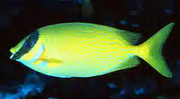
The Blue Lined Rabbitfish, Siganus puellus, also known as the Scribbled Fish, features an absolutely stunning yellow body with small blue squiggles all across and a characteristic blue "mask" stripe over its face. These small squiggles are sometimes said to resembled the intricacies of a circuit board. They are one of the most colorful Rabbitfish species found in the oceans. The Blue Lined Rabbitfish actually has venomous dorsal and anal fin spines, so you should take caution when near it. The dorsal fin has 13 spines and the anal fin has 7. . It should be housed with other semi-aggressive fish and can be kept in pairs. They may nip at some corals and should eat primarily a herbivorous diet.

USD 100.99

Octopus: Brown - Pacific

Octopus: Brown - Pacific

The Pacific Octopus, Octopus sp. are a dwarf species of octopus from the Philippines. It has a wonderful deep brown coloration, and  are generally peaceful.  They are best kept in tanks with plenty of live rock hiding places that are well-anchored to the substrate to avoid toppling. It is also very important to have a tightly sealed lid on your tank as the Octopus loves to try to escape - they can escape through the tiniest of openings. The Pacific Octopus eats a carnivorous diet of live Feeder Shrimp, Mussels, Crustacean Flesh, and small Feeder Fish. The Pacific Octopus has excellent eyesight, and will also scavenge at night.  When feeding your Octopus, always be sure to approach the Octopus slowly and with caution, as to avoid causing it to release its ink cloud in defense. In the aquarium, this release of ink will cause the immediate need for a large water change to avoid its death, and the harm to it's tank mates.  Explore the Enigmatic Pacific Brown Octopus (Octopus sp.) for Your Saltwater Marine Aquarium Embark on an extraordinary journey into the mysteries of the deep with the Pacific Brown Octopus (Octopus sp.), a captivating and intelligent addition to your saltwater marine aquarium. In this informative guide, we'll dive into its habitat, care requirements, and why Saltwaterfish.com is your trusted source for these enigmatic cephalopods. Habitat and Adaptability of Pacific Brown Octopus The Pacific Brown Octopus is found in the Pacific Ocean, inhabiting diverse environments from shallow coastal waters to the ocean depths. Known for their remarkable adaptability, these cephalopods possess an innate intelligence and an ability to navigate various marine landscapes. Capturing the essence of the ocean's depths, they make a captivating addition to advanced marine aquariums. Reef Safe and Compatibility of the Pacific Brown Octopus While the Pacific Brown Octopus is a fascinating creature, it's important to note that it is not considered reef safe. Due to their inquisitive nature and propensity to explore, octopuses may disturb coral formations or other delicate elements within a reef environment. Therefore, enthusiasts should carefully consider the compatibility of these intelligent cephalopods with other inhabitants in their aquarium. The Pacific Brown Octopus Size and Lifespan Pacific Brown Octopuses are known for their relatively modest size compared to other octopus species, typically reaching a mantle length of 12 to 24 inches. With proper care and a suitable environment, they can have a lifespan of one to two years, showcasing their captivating behaviors and interactions within your aquarium. Diet and Feeding Habits for the Pacific Brown Octopus These cephalopods are carnivorous predators with a diverse diet that includes crustaceans, small fish, and mollusks. Ensuring a varied and nutritionally rich diet is crucial for their well-being. Hobbyists should be prepared to provide live or freshly killed prey, offering an engaging feeding experience while meeting their dietary needs. Compatibility of the Pacific Brown Octopus The Pacific Brown Octopus possesses a high level of intelligence and curiosity, making them intriguing but challenging additions to a marine aquarium. Their interactive nature requires careful consideration of tank mates to avoid potential conflicts or stress. Enthusiasts should be prepared for the unique demands associated with keeping octopuses as part of their marine community. They are considered expert only. Temperament and Symbiotic Relationships of the Pacific Brown Octopu While octopuses are known for their inquisitive and sometimes interactive behavior, they are generally solitary and may display territorial tendencies. Symbiotic relationships with other tank inhabitants are minimal, as octopuses primarily focus on hunting and exploring their surroundings. Suitable Tank Mates for Pacific Brown Octopus Selecting appropriate tank mates for the Pacific Brown Octopus requires consideration of their solitary and sometimes territorial nature. Compatible companions include: Large peaceful fish species such as Tangs or Angelfish Hardy invertebrates like sea stars or urchins Non-aggressive crustaceans Bottom-dwelling fish like Gobies Docile species that can withstand the octopus's occasional territorial behavior Tank Requirements and Aquascaping for the Pacific Brown Octopu Creating an optimal habitat for the Pacific Brown Octopus involves careful consideration of their unique needs: Minimum Tank Size: A spacious aquarium with a minimum size of 55 gallons is recommended to provide ample space for exploration. Aquascaping: Include a variety of hiding spots and caves using live rock structures. Ensure a secure lid or mesh top to prevent octopuses from escaping, as they are known for their exceptional problem-solving abilities. Detailed Water Conditions of the Pacific Brown Octopu Maintaining precise water conditions is essential for the health of Pacific Brown Octopuses: pH Level: Maintain a stable pH level in the range of 8.1 to 8.4. Salinity: Keep the salinity of your aquarium water within the range of 1.024 to 1.026 specific gravity or approximately 32-35 ppt. Water Temperature: Maintain a water temperature between 74°F to 78°F (23°C to 26°C). Detailed Lighting Requirements for Pacific Brown Octopus While octopuses are not highly reliant on specific lighting conditions, providing subdued lighting can create a comfortable environment. Avoid intense lighting to mimic their natural habitat and prevent stress. Photoperiod Needed for the Pacific Brown Octopus Establish a lighting period of 8 to 10 hours per day, allowing for a natural day-night cycle that supports the octopus's biological rhythms. Water Flow of the Pacific Brown Octopus Maintain a gentle to moderate water flow within the tank to ensure proper oxygenation and waste removal. Octopuses generally prefer calmer water conditions. Other Common Names of the Pacific Brown Octopus The Pacific Brown Octopus is known by various common names, including the Brown Reef Octopus. Why Choose Saltwaterfish.com Saltwaterfish.com stands as a reliable source for acquiring Pacific Brown Octopuses, backed by a commitment to ethical sourcing, sustainability, and expert care during the shipping process. Our goal is to provide enthusiasts with a unique opportunity to appreciate the intelligence and behaviors of these mesmerizing cephalopods. Delve into the mesmerizing world of the Pacific Brown Octopus, a creature that embodies the intrigue and intelligence of the ocean depths. As you consider the unique challenges and rewards of keeping these cephalopods, trust Saltwaterfish.com to provide responsibly sourced specimens for your advanced marine aquarium. Immerse yourself in the captivating behaviors and interactions of the Pacific Brown Octopus, a truly extraordinary addition to your aquatic community.

USD 60.99

Emerald Crab

Emerald Crab

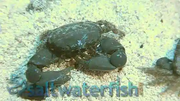
The Emerald Crab, Mithrax sculptus, are one of the most popular marine crab species for the home aquarium. They thrive in tanks with plenty of live rock and a sandy substrate as the like to graze searching for algae. As voracious algae-eaters, they can be incredibly beneficial members of a cleanup crew. If there is not enough algae or seaweed, they can be supplementally fed with prepared meaty foods. They should, however, be fed regularly to keep them from becoming aggressive towards their tank mates. Emerald Crabs are particularly effective against bubble algae. There is a reason emerald crabs are so popular; they are very easy to care for, require almost no attention, and are effective in in controlling pesky algal blooms hence keeping the tank clean.  The Emerald Crab: A Molting Feeding Friend for Saltwater Aquariums The Emerald Crab (Mithrax sculptus) is a delightful and eye-catching addition to saltwater aquariums. With its striking emerald-green color and unique characteristics, this crab has become a sought-after choice among marine aquarists. Let's explore the Emerald Crab's habitat, reef-safe nature, size, lifespan, diet, aquaculture potential, molting process, other common names, and compatible tank mates. Habitat of the Emerald Crab The Emerald Crab is native to the warm waters of the Western Atlantic Ocean, ranging from the coast of Florida to the Caribbean and Gulf of Mexico. In the wild, they inhabit rocky shores, coral reefs, and intertidal zones. Reef Safe and Algae Control The Emerald Crab is generally reef-safe and poses no threat to corals or other invertebrates. On the contrary, they benefit reef aquariums as they help control unwanted algae growth. Size and Lifespan Emerald Crabs are relatively small, typically growing up to 1.5 to 2 inches (3.8 to 5 cm) in carapace width. They can live for two to three years in a well-maintained aquarium with proper care. Diet and Algae Eating Abilities In their natural habitat, Emerald Crabs are omnivores, feeding on algae, detritus, and small invertebrates. In a home aquarium, they are excellent algae eaters, helping to keep the tank clean and free from excessive algae growth. Aquaculture and Sustainability The Emerald Crab is available in the aquarium trade, and captive-bred specimens are also accessible. Breeding and propagating this crab in captivity have been successful, making it a sustainable and eco-friendly choice for marine aquariums. Molting Process Like other crustaceans, Emerald Crabs undergo molting, a process where they shed their exoskeleton to grow larger. The crab is vulnerable to predation and stress during molting, so providing ample hiding spots and a secure environment is crucial. Other Common Names In addition to the name "Emerald Crab" or "Green Emerald Crab," this species is also known as the "Green Clinging Crab." Compatible Tank Mates Peaceful snail species like Astrea snails or Trochus snails can coexist with the Emerald Crab. Snails contribute to algae control, complementing the crab's role as an algae eater. Some species of hermit crabs can be suitable tank mates for the Emerald Crab, provided they have sufficient shells to inhabit. Peaceful blennies are also compatible tank mates. Blennies come in various colors and patterns, adding character to the tank. Peaceful gobies can cohabit harmoniously with the Emerald Crab. Their small size and diverse range of colors make them great additions to the aquarium. The peaceful Cleaner Shrimp (Lysmata amboinensis) can be compatible tank mates. They provide an interesting dynamic with their symbiotic cleaning behavior. In conclusion, the Emerald Crab (Mithrax sculptus) is an enchanting and valuable addition to saltwater aquariums. Its striking appearance and algae-eating abilities make it an excellent choice for reef aquariums seeking a natural and effective algae control solution. Aquarists can enjoy the charm and practicality of these emerald-green gems in their aquatic havens by providing them with a suitable environment and compatible tank mates.

USD 10.99

You May Also Like