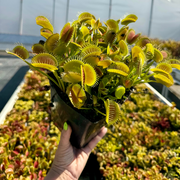
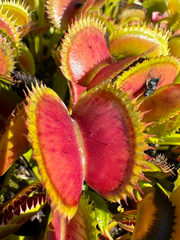
California Carnivores Promo Codes and Coupons December 2025

California Carnivores logo

California Carnivores

California Carnivores is North America's largest carnivorous plant nursery, specializing in the cultivation and sale of various carnivorous plants including Venus Flytraps, Pitcher Plants, Sundews, and other exotic species. Located in Sebastopol, California, they offer both retail and mail-order services, providing carefully grown plants along with expert care instructions to ensure success for both beginners and experienced growers.

californiacarnivores.com

Today's California Carnivores discount codes

TOP PICK
California Carnivores logo

10% off

74 uses
high

worked about 2 months ago

10% Off Storewide at California Carnivores
California Carnivores logo

10% off

385 uses
high

worked about 2 months ago

10% Off Storewide at California Carnivores
California Carnivores logo

10% off

53 uses
high

worked about 2 months ago

10% Off Storewide at California Carnivores
California Carnivores logo

10% off

678 uses
high

worked about 2 months ago

10% Off Storewide at California Carnivores

Featured California Carnivores Products

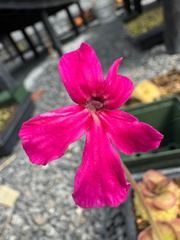
Pinguicula x “Sprawler” BARE ROOT

Pinguicula x “Sprawler” BARE ROOT

Pinguicula x “Sprawler” is a sibling to the famous “Malibu Barbie” from the exceptional hybridizer Bob Beer. This plant is super pink when grown under strong light and grows quite large and sprawling! It is extremely rare in cultivation and one of the must-have Pings for anyone who loves electric colors!  The plants we are shipping are about the size of a quarter and will be 3-6” at full growth.  This plant will not come potted; you will need to pot it up upon arrival. Mexican/Tropical Pinguicula prefer our sandy PINGUICULA SOIL MIX. IF YOU ORDER IN WINTER/EARLY SPRING YOUR PLANT MAY ARRIVE IN WINTER SUCCULENT MODE. DURING THIS TIME, IT WILL GROW SUBSTANTIALLY SMALLER, TIGHT, SUCCULENT LEAVES. DO NOT OVER WATER DURING THIS TIME. IT WILL GROW CARNIVOROUS LEAVES IN THE SPRING. Care Instructions Growth Habit: Pinguicula are generally small plants; depending on the species and growth phase, they can range from 1/2” to 8” across at maturity. Most are 2-4” across. They form rosettes of leaves covered in glistening dew, which have a high turnover rate, meaning that they die back frequently, and new leaves grow at the center from the plant. They have pretty leaves, some blush red or purple, and all are covered in sparkling dew. Their flowers are hummingbird and butterfly pollinated in the wild and because their pollinators are attracted to colorful flowers, they have beautiful flowers With long neck spurs! Many species will experience a winter succulent phase. A combination of shorter photo periods, cooler temperatures, and dryer conditions trigger this phase. While this phase is not necessary for the plant to thrive, it is often out of our control whether the plants do this or not. During their succulent phase, they grow small, rounded leaves that look very different from their large carnivorous leaves. Plants in this stage will be significantly smaller than they will be in carnivorous growth. The natural cycle of Pinguicula can lead them to be in succulent growth in spring, not starting their carnivorous growth until late spring sometimes even early summer. Watching them grow their carnivorous leaves is like watching a magic trick; tiny, tight leaves begin to transform into huge, sticky, carnivorous leaves! Pinguicula can easily propagate from leaf pullings, like a succulent. They will also form small clumps over time, dividing naturally. While they can have a long life, they won’t live forever, so it is a good idea to take pullings every year. They do not have significant root systems, and the roots they have are often minimal and very short. The roots can be white, transparent, or brown, and they use these roots mainly to anchor themselves to the soil's surface (they still offer benefits, though, so please do not cut them off). Sun: Full to part sun. Sunny windowsills indoors, in a temperature-regulated greenhouse, or under grow lights. In tropical parts of the world or very mild climates, they can be grown outdoors in dappled sun, morning sun only, or under shade cloth. They must be protected from the full afternoon sun. It is best to grow under 30% shade cloth in the summer months when grown in a greenhouse. They can benefit from 30% shade cloth if grown outdoors as well. If your plant is much greener than it should be, developing larger, more elongated leaves than normal for the species or hybrid, and does not have much dew, it may need more light. Water & Humidity: In the late spring, summer, and early autumn, Pinguicula can be kept in the tray system with overhead watering as long as they still have carnivorous foliage. This means setting the pots in a deep saucer or tray and routinely filling that with 1/4”-1/2” water. If grown in a non-draining pot, allow room to water and water overhead frequently to keep soil media moist, but do not water so deeply as to have standing water sitting on the surface of the soil; all the water should be absorbed. When the rosettes show their very first signs of growing their smaller, tighter succulent leaves immediately begin to dry out your plants. Keep the soil on the dry side, watering them only a little and let dry out in between watering. You can usually tell how dry a species enjoys its winter by the size of its succulent leaves. The tighter, smaller leafed rosettes such a Pinguicula gypsicola or the bulb-like heterophylla and macrophylla require bone-dry conditions. Species with larger winter leaves, like a few of the moranensis varieties or agnata, enjoy winters soils just slightly damp.  Cuban species should be kept wet year-round, with only slight winter drying. When these plants are transitioning between carnivorous and succulent growth they are at the most risk of rotting, so it is better to air on the side of drier when the temperatures start to get colder and the photo periods shorten. In spring, as soon as the temperatures start to warm and the photo periods lengthen, start watering your plants more. When carnivorous leaves start to grow, begin the tray method again. (If your plant decides it does not want to make carnivorous leaves, don’t worry, sometimes they are stubborn! Water frequently and make sure your plant gets lots of light, preferably some natural light from the sun as well, to try to trigger carnivorous leaf growth. But don’t worry if your ping stays in succulent mode for a whole year, eventually it will grow carnivorous leaves again!) Pinguicula are extremely susceptible to dissolved minerals and salts in their water and poor water quality will directly contribute to decline of plants and death. Be sure to only use rainwater, reverse osmosis water, or distilled water. Pinguicula prefer drier conditions and do not require high humidity. Temperature: 50 degrees - 90 degrees. While not ideal, Pinguicula can tolerate brief nighttime dips to 40 as long as daytime temperatures warm back up and can tolerate brief heat waves over 90 as long as they are protected from the sun and sitting in water AND nighttime temperatures decrease. Cold temperatures are likely to kill Pinguicula, so avoid exposing them to anything below 50 if possible. Dormancy: No true dormancy but does have a winter succulent phase during which the plant will produce small succulent leaves instead of flat sticky leaves. Pinguicula do not need this period of succulent growth to grow well. If your plant does not grow succulent leaves, there is no need to try to induce the transition. See the section on watering for in depth care during this time.  Fertilizer: Apply Schultz Cactus Fertilizer once or twice a month to the leaves with a mister bottle, during the grow season. Do not apply in winter or during succulent winter mode. We use seven drops of fertilizer in 20 ounces of distilled water.  Soil & Repotting: Pinguicula grow in very dry and rocky soil mixes, do not use a mix that holds a lot of moisture. We use equal parts sand, peat moss, pumice, and perlite. You can order our custom Pinguicula soil mix! These plants ship bare-root so you will have to order potting media and pot them up upon arrival. Pinguicula do not have extensive roots and anchor to the surface of their soil making them ideal candidates for quirky, cute, small, non-draining planters like teacups or vintage pottery. You can plant them in all variety of pots as long as they are glazed ceramic, glazed terracotta, glass or plastic. Avoid un-glazed terracotta. They can be in small pots and do not need much room for roots. Pinguicula are one of the most sensitive plants to a build of minerals and salts in their soil or water. Repot every year to refresh soil. More Information: For more information on repotting, pests, growing habits, and more, check out our FAQ page or our YouTube channel!

USD 27.99

Pinguicula x ”Mehitable” BARE ROOT

Pinguicula x ”Mehitable” BARE ROOT

This hybrid, made by Bob Beer, is a gorgeous, large-leaved plant with bright purple flowers. Pinguicula x “Mehitable” has large, dew-covered, petal-shaped leaves that blush a lovely pink when grown in strong light. The grape-purple flowers are accented with spots of deep purple and bright white in the center! The plants we are shipping are about the size of a quarter and will be 3-4” at full growth.  This plant will not come potted; you will need to pot it up upon arrival. Mexican/Tropical Pinguicula prefer our sandy PINGUICULA SOIL MIX. IF YOU ORDER IN WINTER/EARLY SPRING YOUR PLANT MAY ARRIVE IN WINTER SUCCULENT MODE. DURING THIS TIME, IT WILL GROW SUBSTANTIALLY SMALLER, TIGHT, SUCCULENT LEAVES. DO NOT OVER WATER DURING THIS TIME. IT WILL GROW CARNIVOROUS LEAVES IN THE SPRING. Care Instructions Growth Habit: Pinguicula are generally small plants; depending on the species and growth phase, they can range from 1/2” to 8” across at maturity. Most are 2-4” across. They form rosettes of leaves covered in glistening dew, which have a high turnover rate, meaning that they die back frequently, and new leaves grow at the center from the plant. They have pretty leaves, some blush red or purple, and all are covered in sparkling dew. Their flowers are hummingbird and butterfly pollinated in the wild and because their pollinators are attracted to colorful flowers, they have beautiful flowers With long neck spurs! Many species will experience a winter succulent phase. A combination of shorter photo periods, cooler temperatures, and dryer conditions trigger this phase. While this phase is not necessary for the plant to thrive, it is often out of our control whether the plants do this or not. During their succulent phase, they grow small, rounded leaves that look very different from their large carnivorous leaves. Plants in this stage will be significantly smaller than they will be in carnivorous growth. The natural cycle of Pinguicula can lead them to be in succulent growth in spring, not starting their carnivorous growth until late spring sometimes even early summer. Watching them grow their carnivorous leaves is like watching a magic trick; tiny, tight leaves begin to transform into huge, sticky, carnivorous leaves! Pinguicula can easily propagate from leaf pullings, like a succulent. They will also form small clumps over time, dividing naturally. While they can have a long life, they won’t live forever, so it is a good idea to take pullings every year. They do not have significant root systems, and the roots they have are often minimal and very short. The roots can be white, transparent, or brown, and they use these roots mainly to anchor themselves to the soil's surface (they still offer benefits, though, so please do not cut them off). Sun: Full to part sun. Sunny windowsills indoors, in a temperature-regulated greenhouse, or under grow lights. In tropical parts of the world or very mild climates, they can be grown outdoors in dappled sun, morning sun only, or under shade cloth. They must be protected from the full afternoon sun. It is best to grow under 30% shade cloth in the summer months when grown in a greenhouse. They can benefit from 30% shade cloth if grown outdoors as well. If your plant is much greener than it should be, developing larger, more elongated leaves than normal for the species or hybrid, and does not have much dew, it may need more light. Water & Humidity: In the late spring, summer, and early autumn, Pinguicula can be kept in the tray system with overhead watering as long as they still have carnivorous foliage. This means setting the pots in a deep saucer or tray and routinely filling that with 1/4”-1/2” water. If grown in a non-draining pot, allow room to water and water overhead frequently to keep soil media moist, but do not water so deeply as to have standing water sitting on the surface of the soil; all the water should be absorbed. When the rosettes show their very first signs of growing their smaller, tighter succulent leaves immediately begin to dry out your plants. Keep the soil on the dry side, watering them only a little and let dry out in between watering. You can usually tell how dry a species enjoys its winter by the size of its succulent leaves. The tighter, smaller leafed rosettes such a Pinguicula gypsicola or the bulb-like heterophylla and macrophylla require bone-dry conditions. Species with larger winter leaves, like a few of the moranensis varieties or agnata, enjoy winters soils just slightly damp.  Cuban species should be kept wet year-round, with only slight winter drying. When these plants are transitioning between carnivorous and succulent growth they are at the most risk of rotting, so it is better to air on the side of drier when the temperatures start to get colder and the photo periods shorten. In spring, as soon as the temperatures start to warm and the photo periods lengthen, start watering your plants more. When carnivorous leaves start to grow, begin the tray method again. (If your plant decides it does not want to make carnivorous leaves, don’t worry, sometimes they are stubborn! Water frequently and make sure your plant gets lots of light, preferably some natural light from the sun as well, to try to trigger carnivorous leaf growth. But don’t worry if your ping stays in succulent mode for a whole year, eventually it will grow carnivorous leaves again!) Pinguicula are extremely susceptible to dissolved minerals and salts in their water and poor water quality will directly contribute to decline of plants and death. Be sure to only use rainwater, reverse osmosis water, or distilled water. Pinguicula prefer drier conditions and do not require high humidity. Temperature: 50 degrees - 90 degrees. While not ideal, Pinguicula can tolerate brief nighttime dips to 40 as long as daytime temperatures warm back up and can tolerate brief heat waves over 90 as long as they are protected from the sun and sitting in water AND nighttime temperatures decrease. Cold temperatures are likely to kill Pinguicula, so avoid exposing them to anything below 50 if possible. Dormancy: No true dormancy but does have a winter succulent phase during which the plant will produce small succulent leaves instead of flat sticky leaves. Pinguicula do not need this period of succulent growth to grow well. If your plant does not grow succulent leaves, there is no need to try to induce the transition. See the section on watering for in depth care during this time.  Fertilizer: Apply Schultz Cactus Fertilizer once or twice a month to the leaves with a mister bottle, during the grow season. Do not apply in winter or during succulent winter mode. We use seven drops of fertilizer in 20 ounces of distilled water.  Soil & Repotting: Pinguicula grow in very dry and rocky soil mixes, do not use a mix that holds a lot of moisture. We use equal parts sand, peat moss, pumice, and perlite. You can order our custom Pinguicula soil mix! These plants ship bare-root so you will have to order potting media and pot them up upon arrival. Pinguicula do not have extensive roots and anchor to the surface of their soil making them ideal candidates for quirky, cute, small, non-draining planters like teacups or vintage pottery. You can plant them in all variety of pots as long as they are glazed ceramic, glazed terracotta, glass or plastic. Avoid un-glazed terracotta. They can be in small pots and do not need much room for roots. Pinguicula are one of the most sensitive plants to a build of minerals and salts in their soil or water. Repot every year to refresh soil. More Information: For more information on repotting, pests, growing habits, and more, check out our FAQ page or our YouTube channel!

USD 19.99

Pinguicula x “Pink Eye” BARE ROOT

Pinguicula x “Pink Eye” BARE ROOT

Pinguicula x “Pink Eye” is a sibling to the famous “Malibu Barbie” from the exceptional hybridizer Bob Beer. This plant is bright pink, covered in pink venation when grown under strong light, and has an electric pink flower! It is extremely rare in cultivation and one of the must-have Pings for anyone who loves electric colors!  The plants we are shipping are about the size of a quarter and will be 2-4” at full growth.  This plant will not come potted; you will need to pot it up upon arrival. Mexican/Tropical Pinguicula prefer our sandy PINGUICULA SOIL MIX. IF YOU ORDER IN WINTER/EARLY SPRING YOUR PLANT MAY ARRIVE IN WINTER SUCCULENT MODE. DURING THIS TIME, IT WILL GROW SUBSTANTIALLY SMALLER, TIGHT, SUCCULENT LEAVES. DO NOT OVER WATER DURING THIS TIME. IT WILL GROW CARNIVOROUS LEAVES IN THE SPRING. Care Instructions Growth Habit: Pinguicula are generally small plants; depending on the species and growth phase, they can range from 1/2” to 8” across at maturity. Most are 2-4” across. They form rosettes of leaves covered in glistening dew, which have a high turnover rate, meaning that they die back frequently, and new leaves grow at the center from the plant. They have pretty leaves, some blush red or purple, and all are covered in sparkling dew. Their flowers are hummingbird and butterfly pollinated in the wild and because their pollinators are attracted to colorful flowers, they have beautiful flowers With long neck spurs! Many species will experience a winter succulent phase. A combination of shorter photo periods, cooler temperatures, and dryer conditions trigger this phase. While this phase is not necessary for the plant to thrive, it is often out of our control whether the plants do this or not. During their succulent phase, they grow small, rounded leaves that look very different from their large carnivorous leaves. Plants in this stage will be significantly smaller than they will be in carnivorous growth. The natural cycle of Pinguicula can lead them to be in succulent growth in spring, not starting their carnivorous growth until late spring sometimes even early summer. Watching them grow their carnivorous leaves is like watching a magic trick; tiny, tight leaves begin to transform into huge, sticky, carnivorous leaves! Pinguicula can easily propagate from leaf pullings, like a succulent. They will also form small clumps over time, dividing naturally. While they can have a long life, they won’t live forever, so it is a good idea to take pullings every year. They do not have significant root systems, and the roots they have are often minimal and very short. The roots can be white, transparent, or brown, and they use these roots mainly to anchor themselves to the soil's surface (they still offer benefits, though, so please do not cut them off). Sun: Full to part sun. Sunny windowsills indoors, in a temperature-regulated greenhouse, or under grow lights. In tropical parts of the world or very mild climates, they can be grown outdoors in dappled sun, morning sun only, or under shade cloth. They must be protected from the full afternoon sun. It is best to grow under 30% shade cloth in the summer months when grown in a greenhouse. They can benefit from 30% shade cloth if grown outdoors as well. If your plant is much greener than it should be, developing larger, more elongated leaves than normal for the species or hybrid, and does not have much dew, it may need more light. Water & Humidity: In the late spring, summer, and early autumn, Pinguicula can be kept in the tray system with overhead watering as long as they still have carnivorous foliage. This means setting the pots in a deep saucer or tray and routinely filling that with 1/4”-1/2” water. If grown in a non-draining pot, allow room to water and water overhead frequently to keep soil media moist, but do not water so deeply as to have standing water sitting on the surface of the soil; all the water should be absorbed. When the rosettes show their very first signs of growing their smaller, tighter succulent leaves immediately begin to dry out your plants. Keep the soil on the dry side, watering them only a little and let dry out in between watering. You can usually tell how dry a species enjoys its winter by the size of its succulent leaves. The tighter, smaller leafed rosettes such a Pinguicula gypsicola or the bulb-like heterophylla and macrophylla require bone-dry conditions. Species with larger winter leaves, like a few of the moranensis varieties or agnata, enjoy winters soils just slightly damp.  Cuban species should be kept wet year-round, with only slight winter drying. When these plants are transitioning between carnivorous and succulent growth they are at the most risk of rotting, so it is better to air on the side of drier when the temperatures start to get colder and the photo periods shorten. In spring, as soon as the temperatures start to warm and the photo periods lengthen, start watering your plants more. When carnivorous leaves start to grow, begin the tray method again. (If your plant decides it does not want to make carnivorous leaves, don’t worry, sometimes they are stubborn! Water frequently and make sure your plant gets lots of light, preferably some natural light from the sun as well, to try to trigger carnivorous leaf growth. But don’t worry if your ping stays in succulent mode for a whole year, eventually it will grow carnivorous leaves again!) Pinguicula are extremely susceptible to dissolved minerals and salts in their water and poor water quality will directly contribute to decline of plants and death. Be sure to only use rainwater, reverse osmosis water, or distilled water. Pinguicula prefer drier conditions and do not require high humidity. Temperature: 50 degrees - 90 degrees. While not ideal, Pinguicula can tolerate brief nighttime dips to 40 as long as daytime temperatures warm back up and can tolerate brief heat waves over 90 as long as they are protected from the sun and sitting in water AND nighttime temperatures decrease. Cold temperatures are likely to kill Pinguicula, so avoid exposing them to anything below 50 if possible. Dormancy: No true dormancy but does have a winter succulent phase during which the plant will produce small succulent leaves instead of flat sticky leaves. Pinguicula do not need this period of succulent growth to grow well. If your plant does not grow succulent leaves, there is no need to try to induce the transition. See the section on watering for in depth care during this time.  Fertilizer: Apply Schultz Cactus Fertilizer once or twice a month to the leaves with a mister bottle, during the grow season. Do not apply in winter or during succulent winter mode. We use seven drops of fertilizer in 20 ounces of distilled water.  Soil & Repotting: Pinguicula grow in very dry and rocky soil mixes, do not use a mix that holds a lot of moisture. We use equal parts sand, peat moss, pumice, and perlite. You can order our custom Pinguicula soil mix! These plants ship bare-root so you will have to order potting media and pot them up upon arrival. Pinguicula do not have extensive roots and anchor to the surface of their soil making them ideal candidates for quirky, cute, small, non-draining planters like teacups or vintage pottery. You can plant them in all variety of pots as long as they are glazed ceramic, glazed terracotta, glass or plastic. Avoid un-glazed terracotta. They can be in small pots and do not need much room for roots. Pinguicula are one of the most sensitive plants to a build of minerals and salts in their soil or water. Repot every year to refresh soil. More Information: For more information on repotting, pests, growing habits, and more, check out our FAQ page or our YouTube channel!

USD 24.99

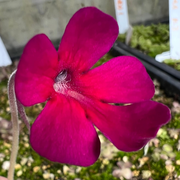
Pinguicula x “St Elmo’s Fire” BARE ROOT

Pinguicula x “St Elmo’s Fire” BARE ROOT

We have one last surprise sibling to “Snozzberry” and “Queen Cthulu” that may be the best so far! Its large, sparkly, purple-edged rosettes with rounded leaves are beyond charming but it’s the flowers that blew us away! It’s the color of the flowers that we can’t look stop staring at. Each flower has a white throat surrounded by a bright red ring of color that bleeds into vibrant magenta; each day, the color slowly deepens. We have never seen a red-centered flower Ike this before! Truly one of Damon’s most spectacular hybrids! This plant was released in 2023.  The plants we are shipping are about the size of a nickel and will be 1-2” at full growth.  This plant will not come potted; you will need to pot it up upon arrival. Mexican/Tropical Pinguicula prefer our sandy PINGUICULA SOIL MIX. IF YOU ORDER IN WINTER/EARLY SPRING YOUR PLANT MAY ARRIVE IN WINTER SUCCULENT MODE. DURING THIS TIME, IT WILL GROW SUBSTANTIALLY SMALLER, TIGHT, SUCCULENT LEAVES. DO NOT OVER WATER DURING THIS TIME. IT WILL GROW CARNIVOROUS LEAVES IN THE SPRING. Care Instructions Growth Habit: Pinguicula are generally small plants; depending on the species and growth phase, they can range from 1/2” to 8” across at maturity. Most are 2-4” across. They form rosettes of leaves covered in glistening dew, which have a high turnover rate, meaning that they die back frequently, and new leaves grow at the center from the plant. They have pretty leaves, some blush red or purple, and all are covered in sparkling dew. Their flowers are hummingbird and butterfly pollinated in the wild and because their pollinators are attracted to colorful flowers, they have beautiful flowers With long neck spurs! Many species will experience a winter succulent phase. A combination of shorter photo periods, cooler temperatures, and dryer conditions trigger this phase. While this phase is not necessary for the plant to thrive, it is often out of our control whether the plants do this or not. During their succulent phase, they grow small, rounded leaves that look very different from their large carnivorous leaves. Plants in this stage will be significantly smaller than they will be in carnivorous growth. The natural cycle of Pinguicula can lead them to be in succulent growth in spring, not starting their carnivorous growth until late spring sometimes even early summer. Watching them grow their carnivorous leaves is like watching a magic trick; tiny, tight leaves begin to transform into huge, sticky, carnivorous leaves! Pinguicula can easily propagate from leaf pullings, like a succulent. They will also form small clumps over time, dividing naturally. While they can have a long life, they won’t live forever, so it is a good idea to take pullings every year. They do not have significant root systems, and the roots they have are often minimal and very short. The roots can be white, transparent, or brown, and they use these roots mainly to anchor themselves to the soil's surface (they still offer benefits, though, so please do not cut them off). Sun: Full to part sun. Sunny windowsills indoors, in a temperature-regulated greenhouse, or under grow lights. In tropical parts of the world or very mild climates, they can be grown outdoors in dappled sun, morning sun only, or under shade cloth. They must be protected from the full afternoon sun. It is best to grow under 30% shade cloth in the summer months when grown in a greenhouse. They can benefit from 30% shade cloth if grown outdoors as well. If your plant is much greener than it should be, developing larger, more elongated leaves than normal for the species or hybrid, and does not have much dew, it may need more light. Water & Humidity: In the late spring, summer, and early autumn, Pinguicula can be kept in the tray system with overhead watering as long as they still have carnivorous foliage. This means setting the pots in a deep saucer or tray and routinely filling that with 1/4”-1/2” water. If grown in a non-draining pot, allow room to water and water overhead frequently to keep soil media moist, but do not water so deeply as to have standing water sitting on the surface of the soil; all the water should be absorbed. When the rosettes show their very first signs of growing their smaller, tighter succulent leaves immediately begin to dry out your plants. Keep the soil on the dry side, watering them only a little and let dry out in between watering. You can usually tell how dry a species enjoys its winter by the size of its succulent leaves. The tighter, smaller leafed rosettes such a Pinguicula gypsicola or the bulb-like heterophylla and macrophylla require bone-dry conditions. Species with larger winter leaves, like a few of the moranensis varieties or agnata, enjoy winters soils just slightly damp.  Cuban species should be kept wet year-round, with only slight winter drying. When these plants are transitioning between carnivorous and succulent growth they are at the most risk of rotting, so it is better to air on the side of drier when the temperatures start to get colder and the photo periods shorten. In spring, as soon as the temperatures start to warm and the photo periods lengthen, start watering your plants more. When carnivorous leaves start to grow, begin the tray method again. (If your plant decides it does not want to make carnivorous leaves, don’t worry, sometimes they are stubborn! Water frequently and make sure your plant gets lots of light, preferably some natural light from the sun as well, to try to trigger carnivorous leaf growth. But don’t worry if your ping stays in succulent mode for a whole year, eventually it will grow carnivorous leaves again!) Pinguicula are extremely susceptible to dissolved minerals and salts in their water and poor water quality will directly contribute to decline of plants and death. Be sure to only use rainwater, reverse osmosis water, or distilled water. Pinguicula prefer drier conditions and do not require high humidity. Temperature: 50 degrees - 90 degrees. While not ideal, Pinguicula can tolerate brief nighttime dips to 40 as long as daytime temperatures warm back up and can tolerate brief heat waves over 90 as long as they are protected from the sun and sitting in water AND nighttime temperatures decrease. Cold temperatures are likely to kill Pinguicula, so avoid exposing them to anything below 50 if possible. Dormancy: No true dormancy but does have a winter succulent phase during which the plant will produce small succulent leaves instead of flat sticky leaves. Pinguicula do not need this period of succulent growth to grow well. If your plant does not grow succulent leaves, there is no need to try to induce the transition. See the section on watering for in depth care during this time.  Fertilizer: Apply Schultz Cactus Fertilizer once or twice a month to the leaves with a mister bottle, during the grow season. Do not apply in winter or during succulent winter mode. We use seven drops of fertilizer in 20 ounces of distilled water.  Soil & Repotting: Pinguicula grow in very dry and rocky soil mixes, do not use a mix that holds a lot of moisture. We use equal parts sand, peat moss, pumice, and perlite. You can order our custom Pinguicula soil mix! These plants ship bare-root so you will have to order potting media and pot them up upon arrival. Pinguicula do not have extensive roots and anchor to the surface of their soil making them ideal candidates for quirky, cute, small, non-draining planters like teacups or vintage pottery. You can plant them in all variety of pots as long as they are glazed ceramic, glazed terracotta, glass or plastic. Avoid un-glazed terracotta. They can be in small pots and do not need much room for roots. Pinguicula are one of the most sensitive plants to a build of minerals and salts in their soil or water. Repot every year to refresh soil. More Information: For more information on repotting, pests, growing habits, and more, check out our FAQ page or our YouTube channel!

USD 74.99

What California Carnivores coupons are available today?

We track so many discount codes. Read about today's California Carnivores coupon statistics.

31
California Carnivores deals available today
12
Active California Carnivores codes
10% off
Biggest discount available
Get the best California Carnivores promo codes and coupons that actually work. Our community of sustainability minded shoppers helps you save by testing and sharing:
  • Verified promo codes with live success rates from recent shoppers!
  • Exclusive single-use codes shared by our community (31 active codes).
  • Drop alerts when California Carnivores's most popular items go on sale!
  • Deals for those who want extra savings opportunities
  • Insider savings tips from experienced California Carnivores shoppers who know the best deals.

Why TerraCoupons finds better California Carnivores discounts:

  • Live success tracking: See exactly which codes are working for other shoppers right now
  • Real-time feedback: Every code attempt is tracked and ranked to show you the best options first
  • Sale predictions: Get alerted when California Carnivores's next big discount event is coming
  • Exclusive savings: reseller discounts, shopping tips and sustainability tips you won't find elsewhere
Note: Our community tests every California Carnivores promo code and shares results in real-time. Check success rates and shopping tips in the activity feed to find what works best for your purchase.
California Carnivores logo

10% off

157 uses
high

worked about 2 months ago

10% Off Storewide at California Carnivores
California Carnivores logo

10% off

41 uses
high

worked about 2 months ago

10% Off Storewide at California Carnivores
California Carnivores logo

10% off

133 uses
high

worked about 2 months ago

10% Off Storewide at California Carnivores
California Carnivores logo

10% off

26 uses
high

worked 6 months ago

10% Off Select Items at California Carnivores

More California Carnivores Products

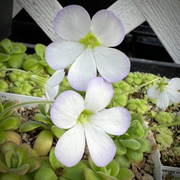
Pinguicula agnata “red leaf” x “El Lobo” BARE ROOT

Pinguicula agnata “red leaf” x “El Lobo” BARE ROOT

Pinguicula agnata "red leaf” x “El Lobo” forms lovely rosettes with thick, green leaves with pink tinted margins and can blush much pinker when grown in strong light! They have round-petaled, white flowers with soft people edging and complementary yellow throats. Their flowers are covered in tiny, delicate hairs!  These plants we are shipping are about the size of a quarter and will be 2-3” at full growth. This plant will not come potted; you will need to pot it up upon arrival. Mexican/Tropical Pinguicula prefer our sandy PINGUICULA SOIL MIX. IF YOU ORDER IN WINTER/EARLY SPRING YOUR PLANT MAY ARRIVE IN WINTER SUCCULENT MODE. DURING THIS TIME, IT WILL GROW SUBSTANTIALLY SMALLER, TIGHT, SUCCULENT LEAVES. DO NOT OVER WATER DURING THIS TIME. IT WILL GROW CARNIVOROUS LEAVES IN THE SPRING.Care Instructions Growth Habit: Pinguicula are generally small plants; depending on the species and growth phase, they can range from 1/2” to 8” across at maturity. Most are 2-4” across. They form rosettes of leaves covered in glistening dew, which have a high turnover rate, meaning that they die back frequently, and new leaves grow at the center from the plant. They have pretty leaves, some blush red or purple, and all are covered in sparkling dew. Their flowers are hummingbird and butterfly pollinated in the wild and because their pollinators are attracted to colorful flowers, they have beautiful flowers With long neck spurs! Many species will experience a winter succulent phase. A combination of shorter photo periods, cooler temperatures, and dryer conditions trigger this phase. While this phase is not necessary for the plant to thrive, it is often out of our control whether the plants do this or not. During their succulent phase, they grow small, rounded leaves that look very different from their large carnivorous leaves. Plants in this stage will be significantly smaller than they will be in carnivorous growth. The natural cycle of Pinguicula can lead them to be in succulent growth in spring, not starting their carnivorous growth until late spring sometimes even early summer. Watching them grow their carnivorous leaves is like watching a magic trick; tiny, tight leaves begin to transform into huge, sticky, carnivorous leaves! Pinguicula can easily propagate from leaf pullings, like a succulent. They will also form small clumps over time, dividing naturally. While they can have a long life, they won’t live forever, so it is a good idea to take pullings every year. They do not have significant root systems, and the roots they have are often minimal and very short. The roots can be white, transparent, or brown, and they use these roots mainly to anchor themselves to the soil's surface (they still offer benefits, though, so please do not cut them off). Sun: Full to part sun. Sunny windowsills indoors, in a temperature-regulated greenhouse, or under grow lights. In tropical parts of the world or very mild climates, they can be grown outdoors in dappled sun, morning sun only, or under shade cloth. They must be protected from the full afternoon sun. It is best to grow under 30% shade cloth in the summer months when grown in a greenhouse. They can benefit from 30% shade cloth if grown outdoors as well. If your plant is much greener than it should be, developing larger, more elongated leaves than normal for the species or hybrid, and does not have much dew, it may need more light. Water & Humidity: In the late spring, summer, and early autumn, Pinguicula can be kept in the tray system with overhead watering as long as they still have carnivorous foliage. This means setting the pots in a deep saucer or tray and routinely filling that with 1/4”-1/2” water. If grown in a non-draining pot, allow room to water and water overhead frequently to keep soil media moist but do not water so deeply as to have standing water sitting on the surface of the soil, all the water should be absorbed. When the rosettes show their very first signs of growing their smaller, tighter succulent leaves immediately begin to dry out your plants. Keep the soil on the dry side, watering them only a little and let dry out in between watering. You can usually tell how dry a species enjoys its winter by the size of its succulent leaves. The tighter, smaller leafed rosettes such a Pinguicula gypsicola or the bulb-like heterophylla and macrophylla require bone-dry conditions. Species with larger winter leaves, like a few of the moranensis varieties or agnata, enjoy winters soils just slightly damp.  Cuban species should be kept wet year-round, with only slight winter drying. When these plants are transitioning between carnivorous and succulent growth they are at the most risk of rotting, so it is better to air on the side of drier when the temperatures start to get colder and the photo periods shorten. In spring, as soon as the temperatures start to warm and the photo periods lengthen, start watering your plants more. When carnivorous leaves start to grow, begin the tray method again. (If your plant decides it does not want to make carnivorous leaves, don’t worry, sometimes they are stubborn! Water frequently and make sure your plant gets lots of light, preferably some natural light from the sun as well, to try to trigger carnivorous leaf growth. But don’t worry if your ping stays in succulent mode for a whole year, eventually it will grow carnivorous leaves again!) Pinguicula are extremely susceptible to dissolved minerals and salts in their water and poor water quality will directly contribute to decline of plants and death. Be sure to only use rainwater, reverse osmosis water, or distilled water. Pinguicula prefer drier conditions and do not require high humidity. Temperature: 50 degrees - 90 degrees. While not ideal, Pinguicula can tolerate brief nighttime dips to 40 as long as daytime temperatures warm back up and can tolerate brief heat waves over 90 as long as they are protected from the sun and sitting in water AND nighttime temperatures decrease. Cold temperatures are likely to kill Pinguicula, so avoid exposing them to anything below 50 if possible. Dormancy: No true dormancy but does have a winter succulent phase during which the plant will produce small succulent leaves instead of flat sticky leaves. Pinguicula do not need this period of succulent growth to grow well. If your plant does not grow succulent leaves, there is no need to try to induce the transition. See the section on watering for in depth care during this time.  Fertilizer: Apply Schultz Cactus Fertilizer once or twice a month to the leaves with a mister bottle, during the grow season. Do not apply in winter or during succulent winter mode. We use seven drops of fertilizer in 20 ounces of distilled water.  Soil & Repotting: Pinguicula grow in very dry and rocky soil mixes, do not use a mix that holds a lot of moisture. We use equal parts sand, peat moss, pumice, and perlite. You can order our custom Pinguicula soil mix! These plants ship bare-root so you will have to order potting media and pot them up upon arrival. Pinguicula do not have extensive roots and anchor to the surface of their soil making them ideal candidates for quirky, cute, small, non-draining planters like teacups or vintage pottery. You can plant them in all variety of pots as long as they are glazed ceramic, glazed terracotta, glass or plastic. Avoid un-glazed terracotta. They can be in small pots and do not need much room for roots. Pinguicula are one of the most sensitive plants to a build of minerals and salts in their soil or water. Repot every year to refresh soil. More Information: For more information on repotting, pests, growing habits, and more, check out our FAQ page or our YouTube channel!

USD 14.99

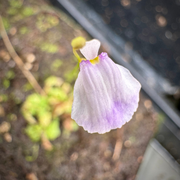
Utricularia livida Potted

Utricularia livida Potted

Utricularia livida is an easy and rewarding bladderwort from South Africa.  Well grown plants will cover bog gardens like a carpet and bloom en masse spring through fall. LPlease note; when we ship Utricularia, the delicate flowers cannot withstand the shipping process. You will likely receive a pot with no flowers but many small stolons (these look like small blades of grass) that indicate lots of healthy growth in the pot. These small faux leaves can be hard to see! But keep in mind that the real action is under the soil, where the Utricularia will have many, many tiny bladder-like traps! With a little time and care, they will start producing flowers.  Care Instructions Sun: Prefers to hide in the shade of other plants, they will also thrive indoors, under grow lights Water: Always sitting in a few inches of distilled or purified water Temperature: 40 - 90 degrees Dormancy: none needed

USD 12.99

Dionaea m. 'King Henry' Potted

Dionaea m. 'King Henry' Potted

Dionaea m. 'King Henry' is a king-sized flytrap bred by Don Elkins! This is his biggest and best clone, which he aptly named after King Henry because of its size and voracious appetite. It is fast-growing and attractive with bright green petioles and delicately blushed traps, always a mix of highlighter bright colors! This is the cultivar that Peter always insisted everyone should own because it is so reliably showy and easy to grow!  The first photo shows our mature botanical collection pot, displaying multiple mature plants. We are shipping small plants. The second-to-last photo shows their size. These small plants will grow rapidly in summer! PLEASE NOTE VENUS FLYTRAPS GO DORMANT SEASONALLY, STARTING AS EARLY AS OCTOBER AND LASTING AS LATE AS MARCH, DEPENDING ON THE CONDITIONS. During this time, they appear relatively small and grow a few traps; please see the final photo to see how flytraps look when dormant. They will begin to grow vigorously again in Spring when photoperiods lengthen and temperatures increase. Care Instructions: Growth Habit: Venus flytraps are low-growing bog plants native to North and South Carolina. These plants grow their traps, modified leaves, from a rhizome that spreads over time. The traps will die back frequently all year, have high leaf turnover, and many new traps will grow throughout the spring and summer. In spring, the traps grow, often low to the ground and small. In summer, they grow their best traps, taller and more prominent. As Fall comes on, the traps start to die back, growing lower to the ground and smaller, and by winter, the plant will be dormant, with many or all of the traps gone, but the rhizome remains healthy and intact throughout winter dormancy even if you cannot see any traps growing. Venus flytraps have black roots, and not generally not many of them. Sun: Full sun. Venus flytraps require lots of direct sun to grow and produce traps. In many areas, they can be grown outdoors in full sun. If you live in a very hot AND very dry place like Arizona or Sacramento, for example, you will want to grow your plants in full morning sun with protection from the afternoon sun or under 30% shade cloth. It is common for several traps/leaves to "burn" and die back when you first place your plant into the sun; your plant is acclimating to your conditions, and in most cases, new leaves will soon grow and be fully acclimated. Venus flytraps can be grown indoors, on extremely sunny windowsills, that receive all-day sun, but they will require a grow light in most circumstances due to the amount of light the plant needs. Grow lights should be 6-12” from the plant, depending on the light, and on a 10-12 hour day length. Venus flytraps generally are not a good candidate for a terrarium as they need intense light and good airflow. Grow outdoors if possible for best results. Water: Always keep them in a saucer with a few inches of distilled, rainwater, or reverse osmosis water. Never let them dry out, especially in the hot summer months. Venus flytraps are bog plants that prefer water-logged conditions unless you live somewhere both very hot AND extremely humid, like Alabama. In that case, let the water tray dry out for a day or two between refills. Always use distilled, reverse osmosis, or rainwater only. These plants are especially sensitive to their water quality, and giving them mineral and salt-free water is very important. In winter, when the plants are dormant, you can let them dry out a bit between rain storms, but do not let the soil get so dry that it pulls away from the edges of the pots. Be sure to supplement water as needed in between rains in winter. Temperature and Dormancy: These are warm-temperate plants, meaning they need warm summers and chilly winters. They should be grown outdoors year-round in areas with mild winters. They thrive in temperatures ranging from 20 degrees - 90F degrees and can take a brief freeze or high-temperature spike up to 105F degrees for a short period. If nighttime temps drop below 20 but rise again during the day above 40, your plant will be fine outside. If you live in an area with very cold winters, where nighttime temperatures drop below 20 degrees for sustained periods, you have three options for providing them with winter dormancy: the garage method, mulching in, or the fridge method. Dormancy is triggered by a combination of exposure to shorter photo-periods and cooler temperatures in the 40-60's F. While you can skip a dormancy period once or twice, in the long term, your plant will begin to do poorly and will eventually die if you skip this crucial period. The garage method: Bring your plant indoors to a sunny windowsill in an unheated room or garage, where the nighttime temperatures will dip down to 50-60F. Keep it well watered during this period, do not let it dry out, and put it outside again when the outside nighttime temperatures increase consistently above 20F. The mulch method: Mulch them in very, very well outdoors. Pack at least four inches of mulch on top of the plants and all around the sides to prevent winds from chilling them and freezing the roots. You can also dig the pots into the ground and then mulch heavily on top. The fridge method: remove the plants from pots, gently clean the roots of soil, wrap the roots in a bit of damp long-fibered New Zealand sphagnum moss, place the plants in a resealable bag, and put the bag into the refrigerator. Leave them in the fridge from October to February, periodically checking on them to ensure they are still moist and not growing mold or fungus. Pot them back up in February. You can vary the timing to align with your outside nighttime temperatures so that your plants can come out of dormancy when it is safe to place them back outside. You can leave them in the fridge for an extended period if you have very long winters. Soil and Repotting: We prefer a mix of four-part fertilizer-free peat moss to one-part perlite. You can add our pre-made mix to your order here. You do not need to repot your plant when you receive it from us for at least a year, and we recommend against it during the spring-summer months. Repot Venus flytraps every 1-3 years in January or winter. Avoid placing in excessively larger pots; size up only a few inches at a time. They do well in tall pots. Soil can also develop a swampy smell, especially right after shipping when the plant is wrapped in plastic and sealed. This is normal; these plants grow naturally in bogs and swampy conditions, and peat moss can develop a bit of an anaerobic smell, but this does not indicate a problem with the soil.  Feeding and Fertilizer: Venus flytraps will catch plenty of food when grown outdoors. When grown indoors, they will significantly benefit from fertilizing, a foliar fertilizer, and feeding the traps. Plants grown outdoors will appreciate a foliar feed as well. Apply MaxSea fertilizer once per month to the foliage only. Dilute 1/4 teaspoon of MaxSea into one gallon of water and then apply to the traps with a mister bottle. If you would like to feed the traps of your flytrap, it is recommended that you use live prey, as the traps usually require continued movement from their food to stimulate the complete absorption process. They will often open too soon if fed inert foods and do not absorb nutrients. We recommend live mealworms, which are available from any pet store. After digestion, Venus flytraps open back up, leaving the exoskeleton of their prey. They have liquified and absorbed the contents of the insect, but the exoskeleton remains. This does not need to be removed. Traps often die back after a big meal; new ones will grow, and the plant benefits greatly from the nutrients! More Information: For further information on dormancy, repotting, dividing, and more, check out our website, Venus Flytrap Care, or our YouTube channel.
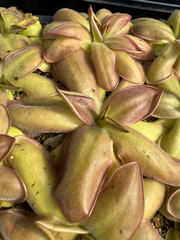
USD 14.99

Dionaea m. “Geoff’s Super-Dente” Potted

Dionaea m. “Geoff’s Super-Dente” Potted

Released in 2024, this cultivar is named “Geoff’s Super-Dente” in honor of the late great Geoff Wong. For those new to the hobby, Geoff was one of the original carnivorous-plant-Jedi. He was one of the very best growers of these plants back when most folks didn’t even know what they were. He was also one of the kindest, best human beings. He was always giving people plants, so he was responsible for spreading so many things around that were unavailable back then. It was always such a delight to have him visit the nursery, and he would inevitably show up with a selection of perfectly grown plants to gift us, complete with a printed spreadsheet with all pertinent information. One day, he showed up with a couple of flytraps that he had grown from seed from a selfed Dente cross he had done. It’s hard to fathom now, but there were only a handful of VFT cultivars at the time. We have kept both clones for all these years, mainly as a memento of our friendship. This clone is like a Dente on steroids and totally dwarfs all other Dente clones! Considering the size and selfing, we wouldn’t even be shocked if it was a polyploid of some kind. Geoff had more magic in him than most so it makes sense that this simple Dente selfing of his would end up being so fantastic! We have never sold this clone before as we have been keeping all of them for sentimental reasons, but we decided it was time to let the world know and grow this beauty too. These are only available by divisions so are extremely rare and limited in quantity and availability. We are shipping small plants. The second-to-last photo shows their size. These small plants will grow rapidly in summer! PLEASE NOTE VENUS FLYTRAPS GO DORMANT SEASONALLY, STARTING AS EARLY AS OCTOBER AND LASTING AS LATE AS MARCH, DEPENDING ON THE CONDITIONS. During this time, they appear relatively small and grow a few traps; please see the final photo to see how flytraps look when dormant. They will begin to grow vigorously again in Spring when photoperiods lengthen and temperatures increase. Care Instructions: Growth Habit: Venus flytraps are low-growing bog plants native to North and South Carolina. These plants grow their traps, modified leaves, from a rhizome that spreads over time. The traps will die back frequently all year, have high leaf turnover, and many new traps will grow throughout the spring and summer. In spring, the traps grow, often low to the ground and small. In summer, they grow their best traps, taller and more prominent. As Fall comes on, the traps start to die back, growing lower to the ground and smaller, and by winter, the plant will be dormant, with many or all of the traps gone, but the rhizome remains healthy and intact throughout winter dormancy even if you cannot see any traps growing. Venus flytraps have black roots, and not generally not many of them. Sun: Full sun. Venus flytraps require lots of direct sun to grow and produce traps. In many areas, they can be grown outdoors in full sun. If you live in a very hot AND very dry place like Arizona or Sacramento, for example, you will want to grow your plants in full morning sun with protection from the afternoon sun or under 30% shade cloth. It is common for several traps/leaves to "burn" and die back when you first place your plant into the sun; your plant is acclimating to your conditions, and in most cases, new leaves will soon grow and be fully acclimated. Venus flytraps can be grown indoors, on extremely sunny windowsills, that receive all-day sun, but they will require a grow light in most circumstances due to the amount of light the plant needs. Grow lights should be 6-12” from the plant, depending on the light, and on a 10-12 hour day length. Venus flytraps generally are not a good candidate for a terrarium as they need intense light and good airflow. Grow outdoors if possible for best results. Water: Always keep them in a saucer with a few inches of distilled, rainwater, or reverse osmosis water. Never let them dry out, especially in the hot summer months. Venus flytraps are bog plants that prefer water-logged conditions unless you live somewhere both very hot AND extremely humid, like Alabama. In that case, let the water tray dry out for a day or two between refills. Always use distilled, reverse osmosis, or rainwater only. These plants are especially sensitive to their water quality, and giving them mineral and salt-free water is very important. In winter, when the plants are dormant, you can let them dry out a bit between rain storms, but do not let the soil get so dry that it pulls away from the edges of the pots. Be sure to supplement water as needed in between rains in winter. Temperature and Dormancy: These are warm-temperate plants, meaning they need warm summers and chilly winters. They should be grown outdoors year-round in areas with mild winters. They thrive in temperatures ranging from 20 degrees - 90F degrees and can take a brief freeze or high-temperature spike up to 105F degrees for a short period. If nighttime temps drop below 20 but rise again during the day above 40, your plant will be fine outside. If you live in an area with very cold winters, where nighttime temperatures drop below 20 degrees for sustained periods, you have three options for providing them with winter dormancy: the garage method, mulching in, or the fridge method. Dormancy is triggered by a combination of exposure to shorter photo-periods and cooler temperatures in the 40-60's F. While you can skip a dormancy period once or twice, in the long term, your plant will begin to do poorly and will eventually die if you skip this crucial period. The garage method: Bring your plant indoors to a sunny windowsill in an unheated room or garage, where the nighttime temperatures will dip down to 50-60F. Keep it well watered during this period, do not let it dry out, and put it outside again when the outside nighttime temperatures increase consistently above 20F. The mulch method: Mulch them in very, very well outdoors. Pack at least four inches of mulch on top of the plants and all around the sides to prevent winds from chilling them and freezing the roots. You can also dig the pots into the ground and then mulch heavily on top. The fridge method: remove the plants from pots, gently clean the roots of soil, wrap the roots in a bit of damp long-fibered New Zealand sphagnum moss, place the plants in a resealable bag, and put the bag into the refrigerator. Leave them in the fridge from October to February, periodically checking on them to ensure they are still moist and not growing mold or fungus. Pot them back up in February. You can vary the timing to align with your outside nighttime temperatures so that your plants can come out of dormancy when it is safe to place them back outside. You can leave them in the fridge for an extended period if you have very long winters. Soil and Repotting: We prefer a mix of four-part fertilizer-free peat moss to one-part perlite. You can add our pre-made mix to your order here. You do not need to repot your plant when you receive it from us for at least a year, and we recommend against it during the spring-summer months. Repot Venus flytraps every 1-3 years in January or winter. Avoid placing in excessively larger pots; size up only a few inches at a time. They do well in tall pots. Soil can also develop a swampy smell, especially right after shipping when the plant is wrapped in plastic and sealed. This is normal; these plants grow naturally in bogs and swampy conditions, and peat moss can develop a bit of an anaerobic smell, but this does not indicate a problem with the soil.  Feeding and Fertilizer: Venus flytraps will catch plenty of food when grown outdoors. When grown indoors, they will significantly benefit from fertilizing, a foliar fertilizer, and feeding the traps. Plants grown outdoors will appreciate a foliar feed as well. Apply MaxSea fertilizer once per month to the foliage only. Dilute 1/4 teaspoon of MaxSea into one gallon of water and then apply to the traps with a mister bottle. If you would like to feed the traps of your flytrap, it is recommended that you use live prey, as the traps usually require continued movement from their food to stimulate the complete absorption process. They will often open too soon if fed inert foods and do not absorb nutrients. We recommend live mealworms, which are available from any pet store. After digestion, Venus flytraps open back up, leaving the exoskeleton of their prey. They have liquified and absorbed the contents of the insect, but the exoskeleton remains. This does not need to be removed. Traps often die back after a big meal; new ones will grow, and the plant benefits greatly from the nutrients! More Information: For further information on dormancy, repotting, dividing, and more, check out our website, Venus Flytrap Care, or our YouTube channel.
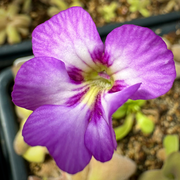
USD 49.99

California Carnivores logo

10% off

95 uses
high

worked about 2 months ago

10% Off Storewide at California Carnivores
California Carnivores logo

10% off

54 uses
high

worked about 2 months ago

10% Off Storewide at California Carnivores
California Carnivores logo

10% off

3 uses
high

worked about 2 months ago

10% Off Storewide at California Carnivores
California Carnivores logo

10% off

50 uses
high

worked 9 months ago

10% Off Storewide at California Carnivores

Sustainability Score

78%
California Carnivores demonstrates strong commitment to sustainable growing practices and conservation efforts, including tissue culture propagation to reduce wild collection. They actively participate in carnivorous plant conservation programs and maintain transparent sourcing practices. However, there's room for improvement in packaging sustainability and carbon footprint reduction in their shipping processes. While they maintain ethical growing practices, their public reporting on environmental metrics could be more comprehensive.

About California Carnivores

3.0 (3)

FAQs

Major sales typically occur during Black Friday/Cyber Monday, spring season kickoff (March), and occasional flash sales announced through their newsletter and social media.

Spring (March-May) is ideal for purchasing as plants are coming out of dormancy and shipping conditions are optimal. However, they ship year-round with seasonal availability varying by species.

Wholesale discounts are available for orders over $500, but require advance arrangement. Educational institutions may qualify for special pricing.

Sign up for their newsletter to receive a first-time purchase discount code and notifications about seasonal promotions and special offers.

In the past month, California Carnivores has launched 0 new promo coupons for shopper discounts. This indicates that California Carnivores does not provide regular opportunities for customers to save money on their purchases.

On average, California Carnivores provides 5 discount coupons each month. Based on historical data, the average time between California Carnivores coupon releases every 6 days. However, this rate depends on various factors such as seasonal promotions (Black Friday, Cyber Monday, etc.), product launches, or other marketing initiatives. To stay informed about upcoming discounts and promotions, we recommend checking California Carnivores website regularly, subscribing to email newsletters, and following them on social media.

California Carnivores is offering 12 working store-wide codes, however they are also offering 19 additional discount codes with a best discount of 10% off

terra.coupons is the #1 provider of discount codes for your favorite retailers, such as California Carnivores. As a crowd-sourced platform for coupon codes, we accurate codes for over 10,000 stores. Save time and avoid expired codes by checking terra.coupons for the latest California Carnivores discount codes.

Curated by

Aleksa P.

Aleksa P.

Deal Curator

Last updated December 2025

Aleksa is a deal finder from the tech-savvy city of Austin, Texas. A keen coder by day and a discount guru by night, Aleksa checks back regularly to update you with new deals.

Latest California Carnivores coupon activity

Track real-time California Carnivores coupon activity from our community. See which codes are working right now at California Carnivores, when they were last verified, and any usage restrictions. Our feed helps you quickly find active codes and avoid expired ones.

From the blog

How to Negotiate Lower Bills on Subscriptions and Monthly Services

Effective strategies to reduce your subscription and monthly service bills through negotiation, smart planning, and leveraging available tools.

Unlock Huge Savings: Get the Best Soundboks Discount Today!

Unlock Huge Savings: Get the Best Soundboks Discount Today! Discover eco-friendly ways to save big on Soundboks speakers, find refurbished deals, and shop smartly!

The Best Time to Buy Electronics, Clothes, and More: A Year-Round Savings Calendar

Learn the best months to buy electronics, clothes, home goods, and more for maximum savings.